
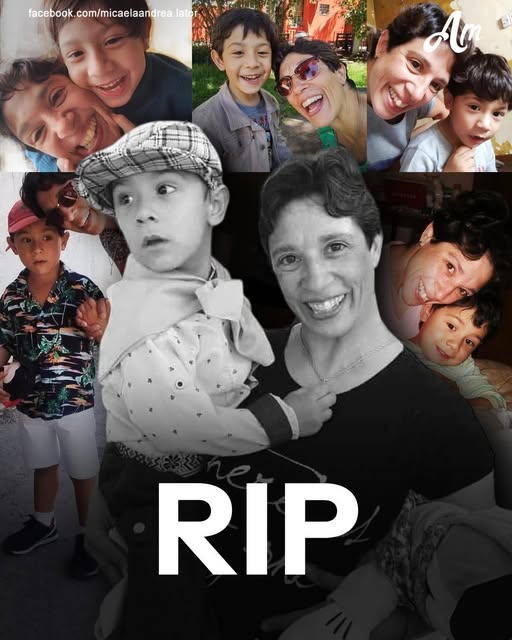
She didn’t ask for much. Just a hug. A kiss. A little warmth before the day began. But when even those simple needs went unanswered, something inside her slowly broke. And then, one day, it all stopped.
She was a mother. Forty-seven years old. Her son, Esteban, lived with autism. She ended his life. Then her own.
The heartbreak is hard to even put into words.
Before she left, she wrote a letter to her husband. In it, she poured everything out. The exhaustion. The loneliness. The ache of doing it all on her own. She wrote what she had held in for so long. And one line in particular stayed with so many of us:
“All I asked for was a hug for Esteban and me. A kiss in the morning before you went to work.”
That wasn’t a complaint. That was grief on paper.
What It Feels Like to Be Emotionally Abandoned
Sometimes the loneliest feeling isn’t being alone. It’s lying next to someone who no longer looks at you. Talking to someone who stopped hearing you a long time ago.
You move through the same rooms, share the same meals, live under the same roof. But you feel like a ghost in your own life.
She knew that feeling too well.
It’s like watching everyone else from behind a glass wall. You wave, but no one waves back. You cry, but no one hears it. And eventually, you stop trying.
The Daily Battle No One Notices
Raising a child with special needs is full of love. But also, full of weight. The routines, the meltdowns, the therapy schedules. The moments you doubt yourself. The nights you don’t sleep. It’s a kind of devotion most people can’t see, let alone understand.
And if no one’s helping you carry that load? It gets heavy. So heavy.
She wasn’t just tired. She was worn through. She did everything she could, until she couldn’t anymore.
When You Start to Disappear
There’s a certain kind of pain that creeps in quietly. You start the day like always—make breakfast, clean up, care for your child. But no one says good morning. No one asks how you’re doing. It’s just… silence.
And after a while, you stop expecting anything different.
You give so much of yourself that you forget what it feels like to receive. You show up for everyone else, but no one shows up for you.
That’s when you start to feel like you don’t matter.
What Most People Don’t See
The hardest part is that you don’t always look like someone who’s struggling. You get through the day. You smile when needed. You keep it together.
But deep inside, you’re barely holding on. And you’re scared to say it out loud because what if no one really cares?
Most people aren’t asking for anything huge. They don’t want grand gestures or dramatic displays.
They just want someone to notice. To care enough to sit beside them and say, “You’re not alone.”
Look a Little Closer
People don’t always cry for help with words. Sometimes they get quiet. They cancel. They seem tired all the time.
And while everyone else goes on with life, they’re sinking quietly.
That’s why we have to pay attention.
A simple check-in can change everything. A moment of real presence. A hand on a shoulder. One kind word.
It might not fix everything, but it reminds someone they still matter.
And sometimes, that’s all it takes to help them stay.
This Wasn’t Just One Tragedy
This story didn’t begin and end with one mother and her son. It’s part of a much bigger, quieter crisis. There are countless parents right now living in silence, surviving on autopilot, and praying for someone to notice them.
We lose people every day not just to mental illness, but to indifference. To neglect. To the feeling that no one cares if they’re there or not.
Let’s not wait for another letter to show us what we missed.
The strongest ones in the room are often the most tired.
And sometimes, the smallest bit of love is what keeps them going.
Story shared by Gretel Rodriguez (Facebook Page)
Based on a reference from AmoMama.com